Serving Redlands, CA and surrounding areas. (909) 488-7993
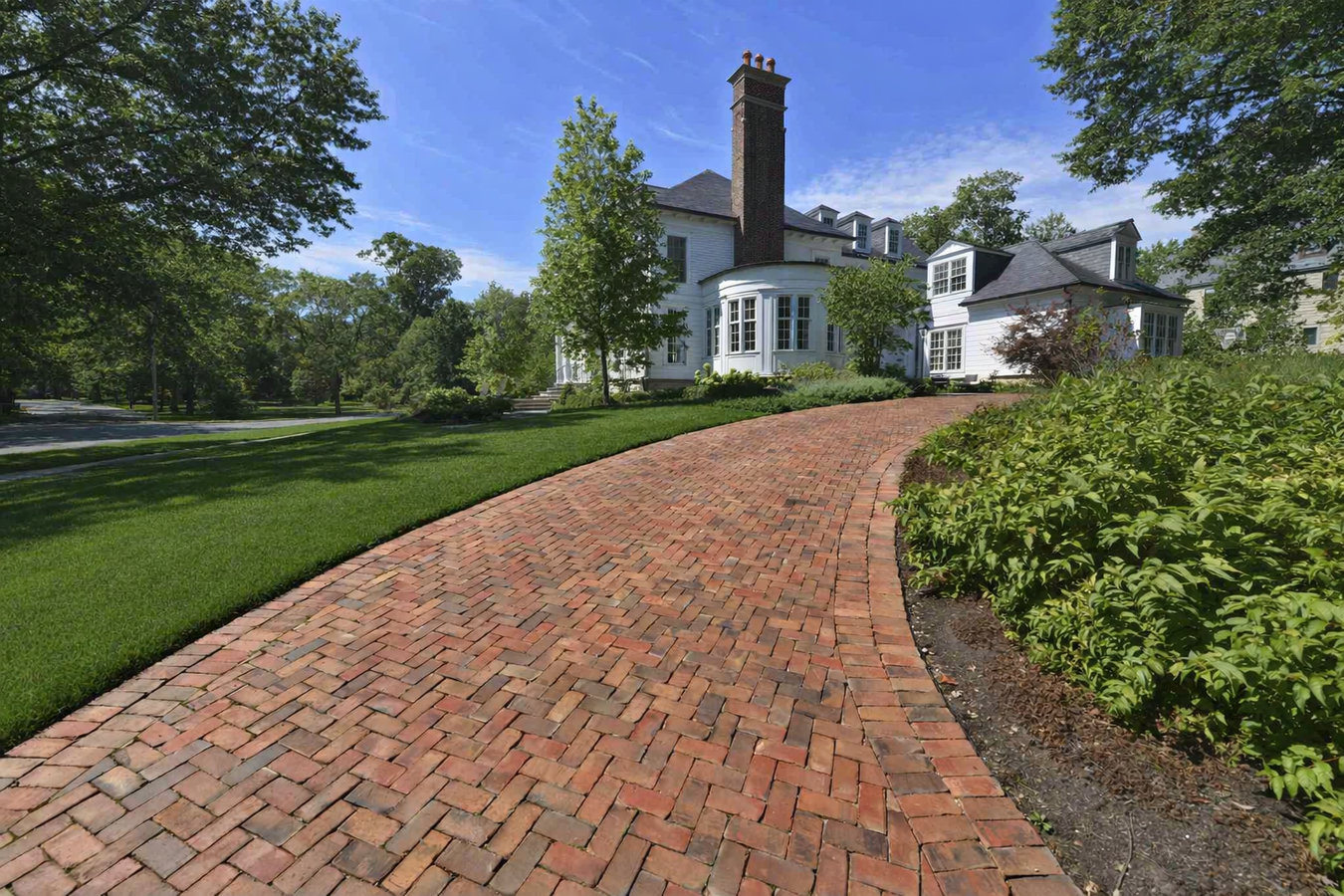
A cracked, uneven walkway is a trip hazard and a first impression that works against you. We build walkways in Redlands designed for the clay soils and summer heat that cause most paths here to crack and shift within a few years.
Walkway construction in Redlands means removing whatever is there now, compacting the ground and adding a gravel base layer, then laying the new surface material - and most standard front-yard paths are complete in one to two days. The surface material matters, but the base preparation underneath is what determines whether your walkway stays level for decades or starts cracking within a few years. In Redlands, where clay soils shift seasonally and summers push past 100 degrees, cutting corners on the base is the most common reason homeowners are calling a contractor again three years later.
If your property has a slope that needs to be held back near where the walkway will run, you may also want to look at our driveway pavers work, which uses the same base preparation approach for larger paved surfaces. Many Redlands homeowners update a walkway and a driveway at the same time, and coordinating the two projects means one site visit, one permit process, and a consistent finished look across the front of the property.
If you have filled cracks before and they returned, or you see new ones each year, the problem is not the surface - it is the ground underneath. In Redlands, this pattern is driven by clay soils expanding and contracting with the seasons. Patching alone will not fix it, and replacement is usually the more cost-effective long-term choice.
Walk your path slowly and notice whether any sections feel higher or lower than the ones next to them. Uneven sections are a trip hazard. In Redlands, where clay soil movement is ongoing, a walkway that has started to shift will usually continue to shift - a clear sign the base has failed and needs to be rebuilt.
A walkway should shed water, not collect it. If you notice puddles sitting on your path after a rainstorm or after your sprinklers run, the surface has either settled unevenly or was never graded correctly. Standing water accelerates surface wear and works into the base, making the shifting problem worse over time.
Concrete that has started to flake or pit is losing its protective outer layer. Once that layer is gone, water gets in more easily. A walkway in this condition is usually past the point where sealing or patching will help, and the Redlands climate - hot dry summers and occasional winter cold snaps - accelerates the breakdown.
We handle the full process from removal of the old surface through final cleanup: demolition and hauling, soil compaction, gravel base installation, forming, and installation of the new surface. For most Redlands front yards, a poured concrete walkway is the most practical and cost-effective choice - it cures quickly, drains well when graded correctly, and requires almost no maintenance beyond occasional sealing. When a homeowner wants something with more visual character, brick or natural stone pavers are set in a sand or mortar bed, and each piece can be replaced individually if something shifts - a real advantage given Redlands' clay soil conditions. Our brick wall installation team often works alongside walkway projects when a homeowner wants a matching border wall or pillar system, keeping the masonry style consistent across the whole front yard.
For homeowners who are also updating their driveway at the same time, our driveway pavers service uses the same crew and the same base preparation standards. Combining a driveway and walkway project typically saves time and reduces the total cost compared to scheduling them separately, and it means the finished surfaces tie together visually rather than looking like two different projects done at different times.
Best for homeowners who want a durable, low-maintenance path at the most practical price point, with control joints cut to minimize visible cracking.
Suited to Redlands homes with older or historic character where a brick path matches the period architecture and individual pieces can be reset if they shift.
Ideal for homeowners who want more visual texture or a specific style, with the same advantage of individual piece replacement if the base shifts over time.
A significant portion of Redlands' housing stock dates to the mid-20th century, and many original concrete walkways from that era are still in place. Walkways that old are often well past their useful life - they may look intact on the surface but have lost structural integrity underneath. If your home was built before 1980 and still has its original walkway, it is worth having a contractor assess it even if you have not noticed obvious cracking yet. Beyond age, the clay soils common across Redlands expand when wet and shrink when dry - that seasonal movement is one of the most common reasons walkways crack and tilt here, and it means base preparation is more important in this area than in places with more stable soils.
Redlands summers regularly push past 95 degrees F, and concrete poured in that heat can dry too fast and crack before it has fully hardened. We schedule pours for early morning and take the steps needed to keep fresh concrete from drying too quickly in the Inland Empire climate. Homeowners in Highland and Loma Linda deal with the same clay soil and heat conditions, and the same base preparation standards apply across the region. If your neighborhood has an HOA, check their guidelines before committing to a material - some Redlands communities have requirements for walkway materials or finishes that are visible from the street.
When you reach out, we will ask you a few basic questions - roughly how long and wide the walkway is, what material you are considering, and whether there is an existing surface to remove. We respond to all inquiries within 1 business day and schedule a free on-site visit to measure and give you a written estimate that covers removal, base preparation, materials, and cleanup.
During the on-site visit we look at the slope of the ground, how water currently drains around your home, and whether the soil shows signs of shifting. We also ask whether you have an HOA and whether the walkway connects to the city sidewalk, since both affect the plan and timeline.
If a permit is needed - most commonly when the walkway connects to the public sidewalk - we apply for it before scheduling the work. Once permits are in hand and materials are ordered, you get a confirmed start date. Most standard walkway projects are complete in one to two days of on-site work.
We remove the old surface, compact the soil, add a gravel base, and install the new material. If your new walkway is concrete, we advise staying off it for at least 24 to 48 hours and keeping heavy items off it for about a week. In summer heat we may cover it with a curing blanket to prevent surface cracking.
Free estimate, no obligation. We handle permits and give you a written quote before any work begins.
(909) 488-7993We assess your soil before any concrete goes down and size the gravel base and compaction to handle Redlands' seasonal soil movement. That step is what separates a walkway that stays level for 30 years from one that starts cracking within a few seasons.
We have completed walkway projects across Redlands and the surrounding Inland Empire communities. That local history means we know the soil conditions, permit requirements, and HOA rules across different neighborhoods - and you benefit from that knowledge from the first site visit.
If your walkway connects to the city sidewalk, the City of Redlands Public Works Department requires a permit. We manage that process from application through inspection so you do not have to make a single call to a permit office. The Mason Contractors Association of America sets the installation standards we work to on every project. See more at masoncontractors.org.
You receive a written estimate that covers removal, base preparation, materials, and cleanup before we schedule anything. The number you approve is the number you pay - no surprises when the invoice arrives.
Every credential and process detail above adds up to one thing: a walkway built correctly the first time. That means fewer calls back, no permit problems when you sell, and a path that looks and feels the same five years from now as it does the day we finish.
Add a matching brick border wall or pillar system alongside your new walkway for a finished, cohesive front-yard look.
Learn MoreCombine a new walkway with a paver driveway installation in one project to save time and achieve a consistent surface style.
Learn MoreOpenings fill quickly before the busy spring season - call or submit a request now for a free written estimate with no obligation.