Serving Redlands, CA and surrounding areas. (909) 488-7993
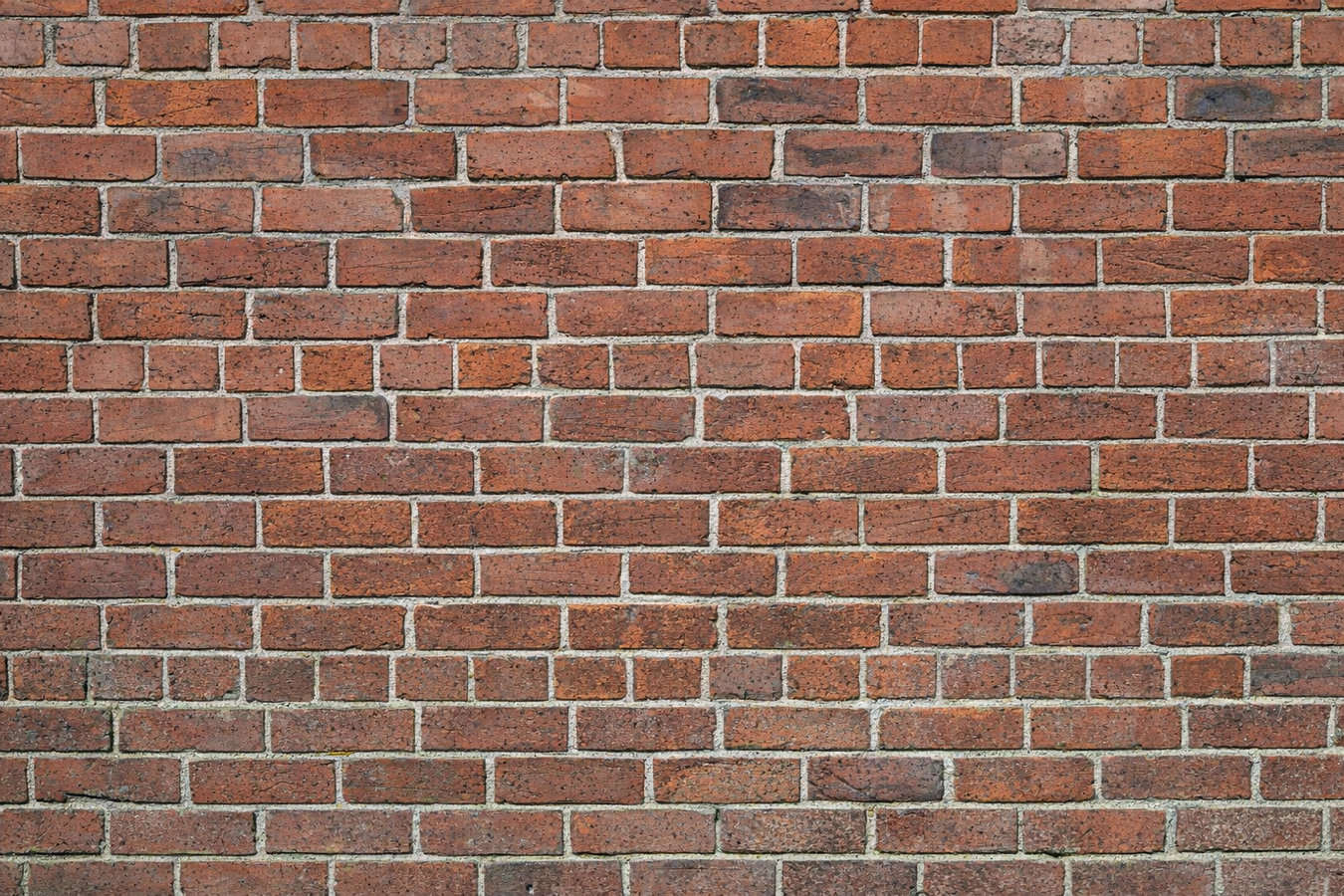
Failing mortar lets water into your walls. We remove the old material, pack in fresh mortar matched to your brick, and seal your masonry against Redlands weather.
Failing mortar lets water into your walls. We remove the old material, pack in fresh mortar matched to your brick, and seal your masonry against Redlands weather.
Tuckpointing in Redlands means removing deteriorated mortar from the joints between bricks or stones and packing in fresh material - most residential jobs are completed in one to three days and do not require you to leave your home.
Mortar is designed to wear out before the bricks do. It acts as a sacrificial layer, absorbing movement and moisture so the bricks stay intact. When that layer fails, water gets behind the masonry and the damage spreads fast. In Redlands, where summer heat regularly tops 100 degrees and the Inland Empire sits near active fault systems, mortar breaks down faster than in cooler or more stable climates. If you also need work on the firebox or flue, our chimney repair service covers that alongside tuckpointing.
Redlands has one of the largest concentrations of historic brick homes in Southern California - Victorian and Craftsman-era properties built between the 1880s and 1930s whose original lime-based mortar is well past its service life. Even newer mid-century homes here show accelerated mortar wear because of the heat cycles and dry Santa Ana winds. A properly done tuckpointing job, with the right mortar mix for this climate, should hold for 20 to 30 years.
Stand close to your brick wall or chimney and look at the lines between the bricks. If those lines look sunken, powdery, or you can scrape into them with a key, the mortar has worn down past the point where it seals effectively. This is the clearest sign tuckpointing is needed, and the earlier you catch it, the less work it takes to fix.
Chalky white streaks or patches on brick are called efflorescence - the mineral salts left behind when water moves through the wall and evaporates on the surface. In Redlands, where summer heat pulls moisture out of walls quickly, this staining is a reliable sign that water is entering through failed mortar joints. Sealing those joints stops it at the source.
Redlands summers are punishing on exposed masonry. If your chimney mortar lines look lighter, thinner, or more cracked in September than they did in spring, the heat has accelerated the breakdown. Chimneys are exposed on all four sides and deteriorate faster than wall sections - they are worth inspecting every fall.
After any earthquake you can feel, walk the exterior of your home and look at brick or stone surfaces. New hairline cracks along mortar joints signal that ground movement opened gaps. The Inland Empire sits near the San Andreas and San Jacinto fault systems, so this is a real maintenance trigger here - not just a calendar reminder. Left alone, those cracks widen with each subsequent tremor and let water in.
Our tuckpointing work covers any brick or stone surface where mortar joints have degraded - exterior walls, chimneys, retaining walls, garden planters, and arched openings. The process always starts with removing the old mortar to the correct depth, at least three-quarters of an inch, so the new material bonds properly and does not fail within a season or two. We test a sample patch, let it cure, and confirm the color match before doing the full job - a step that matters especially for Redlands homes with distinctive historic brick tones. If you also need brick repair for spalled or cracked units, we handle both in the same visit so you are not coordinating two separate crews.
For older Redlands homes built before 1950, we assess the existing mortar first and match the softness of the original lime-based mix. Using modern hard mortar on a pre-war home forces stress into the brick face rather than absorbing it, which causes the bricks themselves to crack over time. We also offer brick pointing as a targeted service when only specific joints need attention rather than a full repoint - useful for properties that are mostly in good shape but have isolated areas showing wear.
Suits homes where mortar joints across a wall or chimney have degraded uniformly - the most thorough approach when widespread wear is the issue.
Suits homeowners whose chimney mortar shows visible cracking, lightening, or recession - chimneys are the most exposed masonry on your home and the most common starting point.
Suits pre-1950 homes where the original soft mortar must be matched to avoid damaging the brick - essential for properties in or near the Redlands historic district.
Suits properties that are mostly in good condition but have isolated areas - post-earthquake cracks, irrigation-damaged sections, or a single wall face - that need targeted attention.
Redlands has a large stock of Victorian and Craftsman-era homes built during the citrus boom of the 1880s through the 1920s. Many of them still have original lime-based mortar that has never been replaced. That mortar was designed to last 20 to 30 years - not a century. The Inland Empire's combination of extreme summer heat, very low humidity, and occasional seismic activity makes it harder on mortar than coastal California climates. Homeowners here often find they need attention sooner than a national average would suggest. Properties in or near the Redlands historic district also have design review considerations: the color and profile of replacement mortar may need to match the original, which requires a mason who knows how to test and blend materials before committing to the full job.
We serve the entire Redlands area and surrounding communities. Homeowners in Highland, CA and Yucaipa, CA deal with the same heat cycles, seismic exposure, and older housing stock that make tuckpointing a recurring need throughout the Inland Empire. The best window for scheduling this work is late September through April, when temperatures are below 90 degrees and mortar can cure without baking.
Tell us the surface type - chimney, exterior wall, retaining wall - and roughly how large the area is. We schedule a free on-site estimate within a business day, not weeks out. No commitment required to get a look.
We walk the area with you, check how deep the mortar has degraded, and assess whether any bricks need replacing alongside the repoint. You get a written quote with a breakdown before anyone picks up a tool. This is a good time to ask about mortar depth, color matching, and scheduling.
The crew uses a grinder or hand chisels to remove old mortar to the correct depth - at least three-quarters of an inch. Then they pack in fresh mortar, shape the joints to match the original profile, and clean the surface. Dust is the main nuisance; the crew lays tarps and cleans up before leaving each day.
We walk the finished job with you before we leave. Fresh mortar feels firm within 24 hours in Redlands heat, but it is not fully cured for 28 days - avoid spraying the area with a hose during that period. We will tell you this before we go, and flag anything that needs follow-up.
Free estimate, written quote before work starts, and a mortar match you approve first.
(909) 488-7993The single biggest quality indicator in tuckpointing is how deep the old mortar is removed. We remove at least three-quarters of an inch - the minimum for a proper bond - and we show you the depth before we start filling. You are not taking our word for it.
Redlands has a large stock of pre-1950 brick homes that need lime-compatible mortar, not modern Portland cement mixes. We test the existing mortar before mixing anything new, so the repair flexes the way the original did and does not force stress into the brick face. We also match color with a sample patch before doing the full job.
Mortar mixed for a mild coastal climate fails fast in Redlands summers. We use a mortar formulation suited to the Inland Empire's temperature swings and low humidity, so the repair holds through the heat cycles your home goes through every year - not just a season or two. The Brick Industry Association recommends mortar types matched to climate and existing masonry hardness.
We hold a California C-29 Masonry Contractor license, which you can verify in about 30 seconds on the CSLB website. That license confirms active status, bonding, and whether any complaints have been filed - giving you a baseline check before you invite anyone onto your property.
Every one of these details matters on a Redlands job, where historic brick, seismic exposure, and extreme heat combine in ways that a contractor without local experience may not account for. We have been working in this area since 2021 and we know what the conditions demand.
When failed mortar has allowed water to spall or crack individual bricks, we replace the damaged units and restore the wall surface.
Learn MoreTargeted mortar joint repairs for properties where only specific areas show wear, without committing to a full repoint.
Learn MoreFall is the ideal window for mortar work in the Inland Empire - book your free estimate now before the schedule fills up.