Serving Redlands, CA and surrounding areas. (909) 488-7993
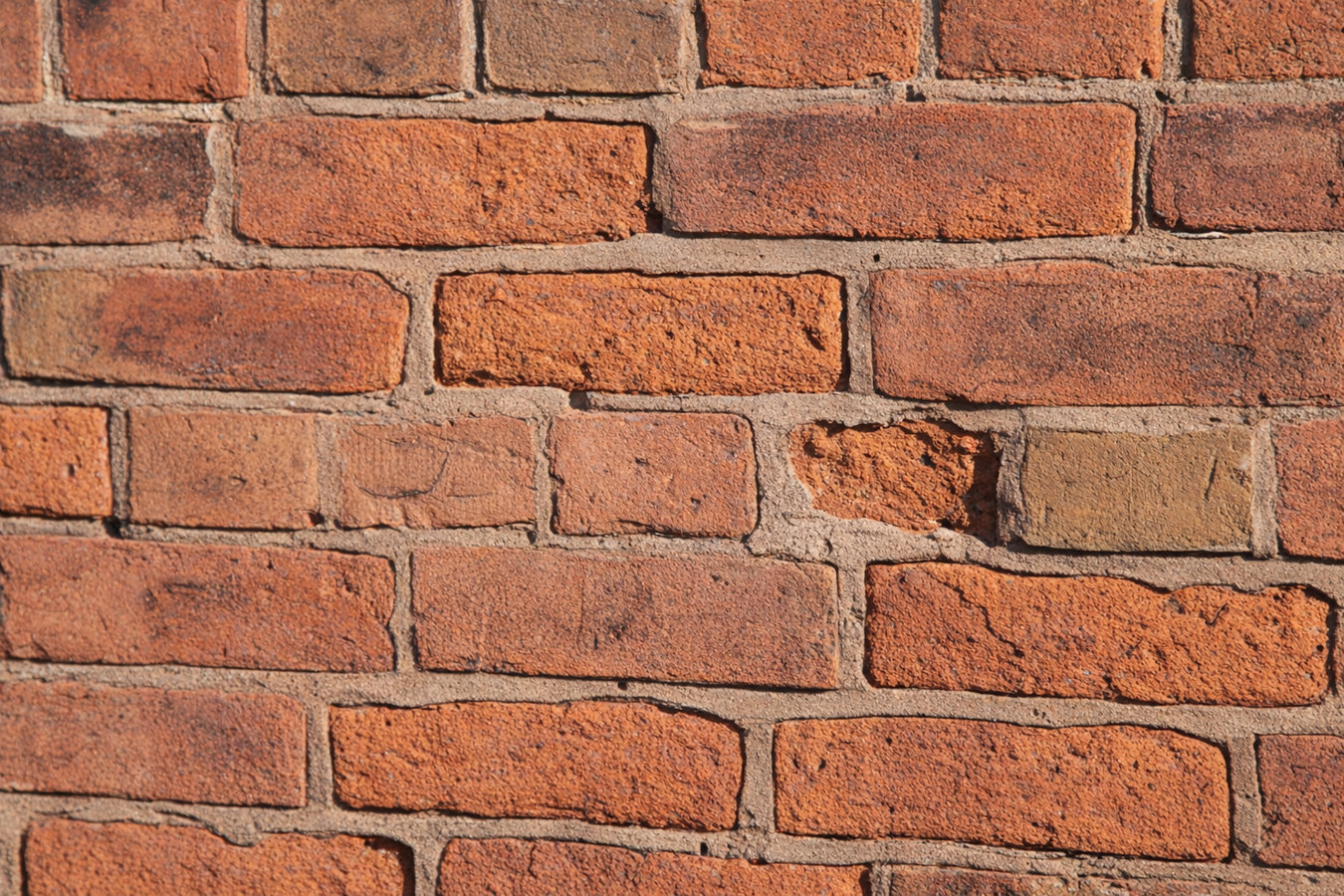
Crumbling mortar joints let water into your wall every time it rains. In Redlands, where summers bake the mortar and winter storms arrive fast, pointing work done right now prevents much bigger repairs later.
Brick pointing in Redlands is the process of removing old, deteriorated mortar from between your bricks and replacing it with fresh mortar that seals the wall - and most residential pointing jobs are complete in one to three days. The mortar joints between your bricks are what keep water out of the wall. Once those joints start to crack or crumble, moisture gets in during every rainstorm, and in Redlands the combination of long dry summers and fast winter storms accelerates that damage cycle faster than most homeowners expect.
Brick pointing is closely related to our tuckpointing service, which uses a two-tone mortar technique common on older Redlands homes to restore both the look and the waterproofing of the wall at the same time. If your home was built before World War II, the mortar choice matters as much as the technique - older bricks need a softer, compatible mortar mix to avoid cracking the brick face, and that is something to ask about specifically when getting estimates.
Run your finger along the joints between your bricks. If mortar crumbles away easily, comes out in chunks, or you can see gaps where it used to be, the joints need replacing. In Redlands, this kind of surface deterioration is common on homes that have been through many years of intense summer heat followed by occasional heavy winter rains.
If you notice chalky white streaks or patches on your brick wall - especially after rain - moisture is moving through the wall and carrying mineral salts to the surface. This often means the mortar joints are no longer keeping water out. It is one of the earlier warning signs, and catching it now is much less expensive than waiting until the water damage reaches the interior wall.
Look for cracks that follow the horizontal or vertical lines of mortar between bricks rather than cutting through the bricks themselves. In Redlands, these joint cracks are often caused by a combination of heat-related shrinkage and minor ground movement from seismic activity. A crack wide enough to fit a credit card in is wide enough to let water in.
Step back and look at your wall in raking light - early morning or late afternoon sun works well. If the mortar lines look noticeably deeper than the brick face, or if shadows collect in the joints more than they used to, the mortar has eroded back from the surface. This means the wall is no longer shedding water the way it should and pointing work is overdue.
We handle pointing work on brick walls, chimneys, garden walls, and decorative brick features. Every job starts with an on-site walk to assess which joints need work, whether any bricks are damaged, and what mortar type the existing wall was built with - that last detail is especially important for Redlands homes built before the 1950s, where the original mortar is often a lime-based mix that needs a compatible replacement. We do not use a one-size-fits-all mix. For homeowners who want to address deteriorating mortar on stone features as well as brick, our work extends to mortar joint repair on stone walls and entry features alongside foundation repair when water infiltration through failing joints has reached the wall's base.
When pointing work on a chimney reveals more extensive deterioration, that often connects to our tuckpointing service, which handles the full restoration of mortar joints using a finish that matches the original joint profile and color. Many Redlands homeowners have both done at the same time - repointing the areas with failed joints and tuckpointing the sections where the mortar is still structurally sound but visually worn - to avoid calling us back for the second half of the job within a year or two.
Suited to exterior walls, garden walls, and boundary walls where mortar joints have dried out or cracked from Redlands' heat and seismic movement.
Best for chimneys showing mortar deterioration, white staining, or loose brick - work that should be completed before the rainy season to prevent interior water damage.
For Redlands homes built before World War II, where a compatible lime-based replacement mortar is required to protect the original softer bricks from cracking.
Redlands has a significant number of homes built between the 1890s and the 1940s, particularly in and around the historic downtown and the Smiley Heights area. Brick on homes that old was often laid with a softer lime-based mortar that behaves differently from modern cement mixes. Using the wrong replacement mortar on an older Redlands home can crack the original bricks over time - damage that costs far more to repair than the pointing job would have. That is not a theoretical risk; it is the most common mistake made by contractors who do not assess the existing mortar before mixing anything. Homeowners in San Bernardino face the same issue with older brick buildings, and mortar compatibility is something a local mason should address on every estimate in this region.
Redlands also sits in a seismically active area, and even minor ground movement can open up mortar joints over time - sometimes in a pattern that looks uneven across the wall rather than uniform aging. A crack pattern that is worse in one section than another often signals subtle movement rather than simple wear, and a mason who recognizes that difference will address the cause rather than just patching the symptom. Homeowners in Colton and across the Inland Empire share the same seismic conditions, and joint inspection should account for movement patterns on every job. For more on how seismic conditions affect masonry in California, the USGS Earthquake Hazards Program maintains publicly accessible hazard maps for the region.
When you reach out, we will ask a few basic questions - where the wall is, roughly how large it is, and what you are seeing. We respond within 1 business day and schedule a free on-site visit, because pointing work is hard to price accurately from a photo alone.
The mason walks the wall with you and shows you which joints need work, whether any bricks are damaged, and what mortar type the wall was built with. You receive a written estimate that specifies the mortar type and the scope of work before you agree to anything.
Before work starts, clear the area around the wall - move patio furniture, potted plants, and vehicles. The mason may need scaffolding for higher sections, so leave room to set that up. You do not need to be home during the work, but being reachable by phone is helpful.
The crew grinds out the old mortar, packs in fresh mortar by hand, and tools the joints to match the original profile. Most residential jobs finish in one to three days. Fresh mortar needs 24 to 48 hours before it gets wet, and the mason will walk the finished work with you before leaving.
Free on-site estimate, no obligation. We match your mortar and give you a written quote before any grinding begins.
(909) 488-7993We assess the existing mortar type during the on-site visit and specify the replacement mix in your written estimate. On Redlands homes built before World War II, that step is the difference between a repair that protects your bricks and one that damages them. We do not start grinding until the right mortar is confirmed.
We have worked on brick pointing projects on older homes near downtown Redlands and in the Smiley Heights area. That experience means we recognize the signs of movement-related joint failure, know when design review applies, and source mortar colors that blend with original historic brickwork rather than standing out as a patch.
During every on-site visit we look for joint crack patterns that suggest ground movement rather than simple aging - a distinction that matters in the Inland Empire's seismic zone. Addressing movement-related joint failure correctly means the repair holds instead of reopening in the next minor tremor. The Brick Industry Association publishes guidance on this at gobrick.com.
You receive a written estimate that covers the scope of work, the mortar type, and the total cost before we schedule anything. The number you approve is the number you pay. We do not add line items at the end for work you did not discuss upfront.
A brick pointing job done correctly in Redlands seals your wall for 25 to 50 years. Every step above - mortar assessment, historic compatibility, seismic awareness, written pricing - adds up to a repair that actually holds instead of one you are revisiting in three years.
When water infiltration through failing mortar joints reaches the base of a wall, foundation assessment and repair address the structural damage that follows.
Learn MoreFull mortar joint restoration using a two-tone technique that restores both the waterproofing and the historic appearance of older Redlands brickwork.
Learn MoreFall slots book quickly before the rainy season - call or submit a request now to get your wall sealed before the first storm arrives.